Car Accident Repair Steps Explained: What to Expect After a Collision
- Tony Lanzilotti
- May 25
- 4 min read
Experiencing a car accident is unsettling. After the initial shock, the next concern is often the condition of your vehicle and how to get it repaired. Understanding the car accident repair steps can ease your mind and help you make informed decisions. I want to guide you through the process calmly and clearly, so you know what to expect and how to handle each stage.
Understanding the Car Accident Repair Steps
When your car is damaged in an accident, the repair process involves several key steps. Knowing these will help you stay organized and reduce stress.
Assess the Damage
After the accident, take a moment to inspect your vehicle. Look for visible dents, scratches, broken lights, or any structural damage. This initial assessment helps you communicate clearly with your insurance company and repair shop.
Contact Your Insurance Company
Notify your insurer as soon as possible. They will guide you on filing a claim and may recommend approved repair shops. Keep notes of your conversations and any claim numbers provided.
Choose a Trusted Repair Shop
Selecting a reputable auto body shop is crucial. A good shop will provide a detailed estimate, explain the repair process, and handle insurance paperwork efficiently. This is where expert technicians restore your vehicle to its pre-accident condition.
Get a Repair Estimate
The repair shop will inspect your car thoroughly and provide a written estimate. This includes parts, labor, and any additional services needed. Review this carefully and ask questions if anything is unclear.
Approve Repairs and Schedule Work
Once you agree to the estimate, the shop schedules your car for repairs. Depending on the damage, this can take from a few days to several weeks.
Repair Process
Skilled technicians will fix structural damage, replace parts, and restore paintwork. Quality shops use OEM (Original Equipment Manufacturer) parts to ensure safety and durability.
Final Inspection and Pickup
After repairs, the shop will perform a final quality check. When you pick up your car, inspect it yourself. Make sure all damage is repaired and the vehicle drives smoothly.

How Much Does It Cost to Get Your Car Fixed After an Accident?
Cost is a major concern after an accident. Repair expenses vary widely based on the extent of damage, vehicle make and model, and labor rates in your area. Here are some factors that influence the cost:
Type of Damage: Cosmetic damage like scratches and dents is less expensive than structural or mechanical repairs.
Parts Needed: OEM parts cost more but maintain vehicle integrity. Aftermarket parts may be cheaper but vary in quality.
Labor Time: Complex repairs require more hours, increasing labor costs.
Insurance Coverage: Your deductible and coverage limits affect your out-of-pocket expenses.
Typical repair costs can range from a few hundred dollars for minor dents to several thousand for major collision repairs. Always get a detailed estimate and discuss payment options with your repair shop and insurer.
Navigating Insurance and Repair Coordination
Dealing with insurance after an accident can feel overwhelming. Here’s how to make the process smoother:
File Your Claim Promptly: Early reporting speeds up approval and repair scheduling.
Provide Complete Information: Include photos, police reports, and witness statements if available.
Understand Your Policy: Know your deductible, coverage limits, and whether you have rental car benefits.
Work with Your Repair Shop: Many shops coordinate directly with insurers to handle paperwork and approvals.
Keep Records: Save all documents, receipts, and correspondence related to the claim and repairs.
By staying organized and proactive, you can avoid delays and confusion.
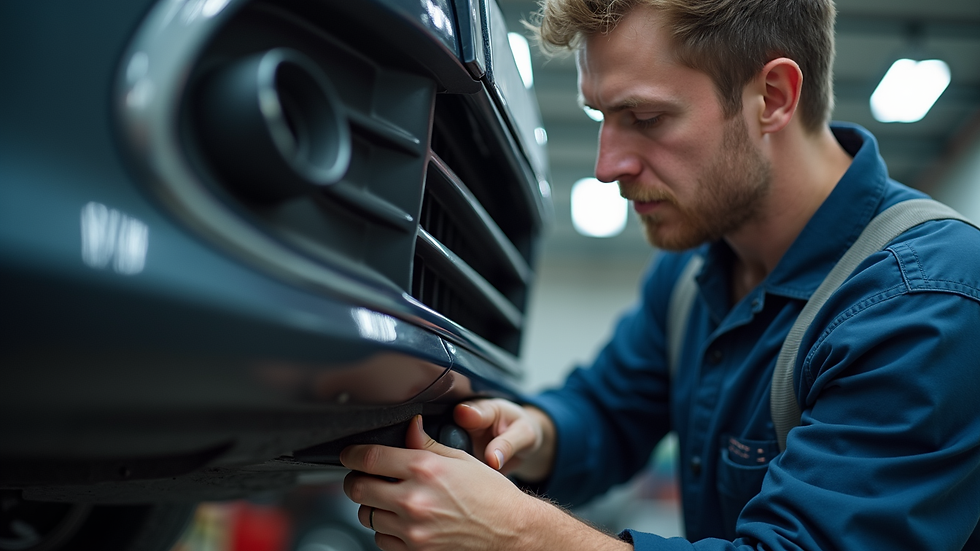
Tips for Choosing the Right Auto Body Shop
Selecting the right repair shop is essential for a successful restoration. Here are some tips to help you choose:
Look for Certifications: Shops certified by industry organizations demonstrate professionalism and quality standards.
Check Reviews and References: Customer feedback reveals reliability and workmanship.
Ask About Warranty: A good shop offers warranties on parts and labor.
Visit the Facility: A clean, well-equipped shop indicates attention to detail.
Get Multiple Estimates: Comparing quotes helps you find fair pricing without sacrificing quality.
Remember, your vehicle’s safety and appearance depend on expert repairs.
What to Expect During the Repair Process
Once your car is in the shop, here’s what typically happens:
Disassembly: Damaged parts are removed to assess hidden issues.
Frame and Structural Repair: If the frame is bent, it will be straightened using specialized equipment.
Parts Replacement: Broken components are replaced with new or refurbished parts.
Body Work: Dents are pulled out, and surfaces are smoothed.
Painting: The repaired area is primed, painted, and clear-coated to match the original finish.
Reassembly and Testing: The car is put back together and tested for proper function.
Throughout this process, communication with the repair shop keeps you informed about progress and any unexpected findings.
After the Repairs: What You Should Do
When you get your car back, take these steps:
Inspect Thoroughly: Check the repaired areas for quality and color match.
Test Drive: Ensure the car drives normally without unusual noises or handling issues.
Keep Documentation: Save repair invoices and warranty information.
Follow Up: Contact the shop if you notice any problems after driving.
Taking these precautions helps you maintain your vehicle’s value and safety.
I hope this guide helps you feel more confident about the car accident repair steps ahead. If you want to learn more about car repair after accident, trusted experts like Garden State Auto Body are ready to assist you with expert repairs and smooth insurance claim support. Remember, your vehicle can be restored to its best with the right care and guidance.


Comments