Choosing the Right Collision Repair Shop for Expert Collision Repair Services
After an accident, the path to restoring your vehicle can feel overwhelming. Finding the right place for collision repair services is crucial. It ensures your car is fixed properly and that your insurance claim process goes smoothly. I want to guide you through this important decision with clear, practical advice. Let’s take it step by step.
Why Quality Collision Repair Services Matter
When your vehicle is damaged, you want more than just a quick fix. You want repairs that last and restore your car’s safety and appearance. Quality collision repair services do just that. They use the right tools, parts, and techniques to bring your vehicle back to its pre-accident condition.
Here’s why it matters:
Safety: Proper repairs ensure your car’s structural integrity is restored. This protects you and your passengers in future drives.
Value: High-quality repairs maintain your vehicle’s resale value.
Appearance: Expert technicians match paint and bodywork so your car looks like new.
Insurance Compliance: Many insurance companies require repairs to meet specific standards.
Choosing a shop that prioritizes these factors can save you stress and money down the road.
How to Identify Reliable Collision Repair Services
Not all repair shops are created equal. Here are some practical tips to help you find a trustworthy provider:
Check Certifications
Look for shops certified by recognized organizations like I-CAR or ASE. These certifications show the technicians have proper training.
Read Reviews and Ask for Recommendations
Online reviews can reveal customer experiences. Also, ask friends or family if they know a reputable shop.
Visit the Shop
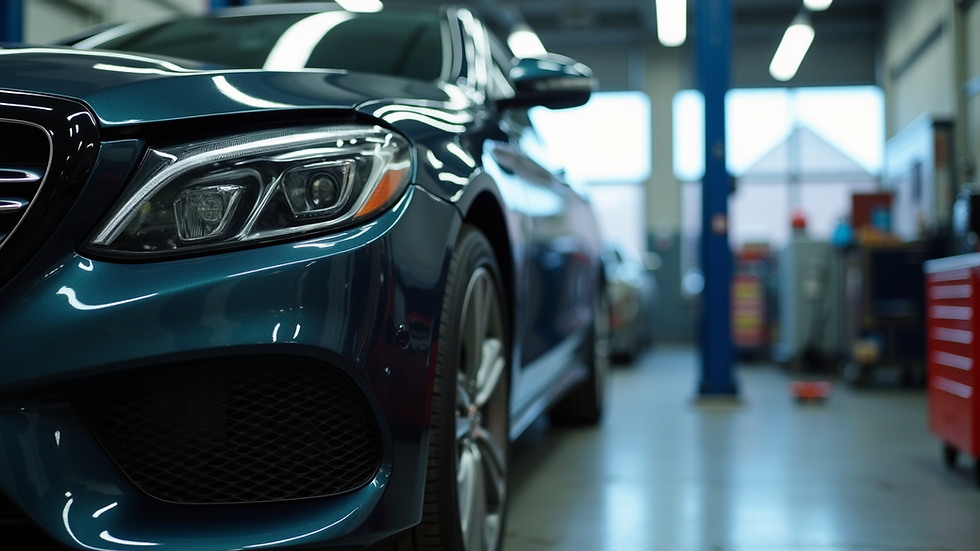
A clean, organized facility with modern equipment is a good sign. Friendly staff who answer your questions clearly are also important.
Ask About Warranty
A confident shop offers warranties on their repairs. This protects you if issues arise later.
Confirm Insurance Partnerships
Some shops work directly with insurance companies, which can simplify your claim process.
Request an Estimate
Get a detailed, written estimate before work begins. This helps avoid surprises.
By following these steps, you can feel more confident in your choice.
What is the $3000 rule for cars?
The $3000 rule is a guideline used by some insurance companies to decide if a car is worth repairing after an accident. If the estimated repair cost is less than $3000, the insurer usually approves the repairs. If it’s more, they might consider the car a total loss.
Understanding this rule helps you:
Know your options: If repairs exceed $3000, you might want to discuss alternatives with your insurer.
Negotiate better: Sometimes, repair shops can find ways to reduce costs without compromising quality.
Plan ahead: Knowing this threshold helps you prepare for possible outcomes.
Keep in mind, this rule can vary by insurer and state. Always check with your insurance provider for specifics.
How to Work with Your Insurance and Repair Shop
Navigating insurance claims can be confusing. Here’s how to make the process smoother:
Report the Accident Promptly
Contact your insurance company as soon as possible. Provide all necessary details and photos.
Choose a Shop Approved by Your Insurer
Some insurers have preferred shops. Using one can speed up approvals and payments.
Get a Detailed Repair Estimate
The shop should provide a clear breakdown of parts, labor, and paint costs.
Stay in Communication
Keep in touch with both your insurer and the repair shop. Ask for updates and clarify any concerns.
Inspect Repairs Before Finalizing
When the work is done, check the vehicle carefully. Make sure everything matches the estimate and your expectations.
By staying organized and proactive, you reduce stress and avoid delays.

Tips for Maintaining Your Vehicle After Repairs
Once your car is repaired, proper maintenance helps keep it in top shape:
Follow the Shop’s Advice
They may recommend waiting before washing or waxing the car.
Keep Records
Save all repair documents and receipts. They can be useful for future claims or resale.
Regular Inspections
Check for any signs of damage or paint issues over time.
Drive Carefully
Avoid harsh conditions that could damage new repairs.
Taking these steps protects your investment and keeps your vehicle looking great.
Finding Peace of Mind with the Right Collision Repair Shop
Choosing the right collision repair shop is about more than fixing dents. It’s about restoring your confidence in your vehicle and feeling supported through a difficult time. I encourage you to take your time, ask questions, and trust your instincts.
If you want a reliable partner for your repairs and insurance claims, consider a collision repair shop that values quality, transparency, and customer care. Your car deserves the best, and so do you.


Comments