Essential Post-Accident Steps: What to Do After a Car Accident
Car accidents can be overwhelming. In those moments, it’s easy to feel lost or unsure about what to do next. I want to guide you through the essential post-accident steps to help you stay calm and take the right actions. These steps will protect your safety, your rights, and your vehicle.
Understanding the Crucial Post-Accident Steps
After an accident, your priority is safety. Once you ensure everyone is safe, the next steps involve gathering information, documenting the scene, and notifying the right parties. Taking these actions carefully can make a big difference in how smoothly your insurance claim and repairs go.
Here’s a clear list of what to do immediately after a car accident:
Check for injuries: Make sure you and others are okay. Call 911 if anyone is hurt.
Move to a safe location: If possible, move vehicles out of traffic to avoid further danger.
Turn on hazard lights: This warns other drivers to slow down.
Call the police: A police report is often necessary for insurance claims.
Exchange information: Get names, phone numbers, insurance details, and license plate numbers from all drivers involved.
Document the scene: Take photos of the vehicles, damages, license plates, and the surrounding area.
Avoid admitting fault: Stick to the facts when talking to others and the police.
Notify your insurance company: Report the accident as soon as possible.
Following these steps helps protect your interests and speeds up the repair and claim process.
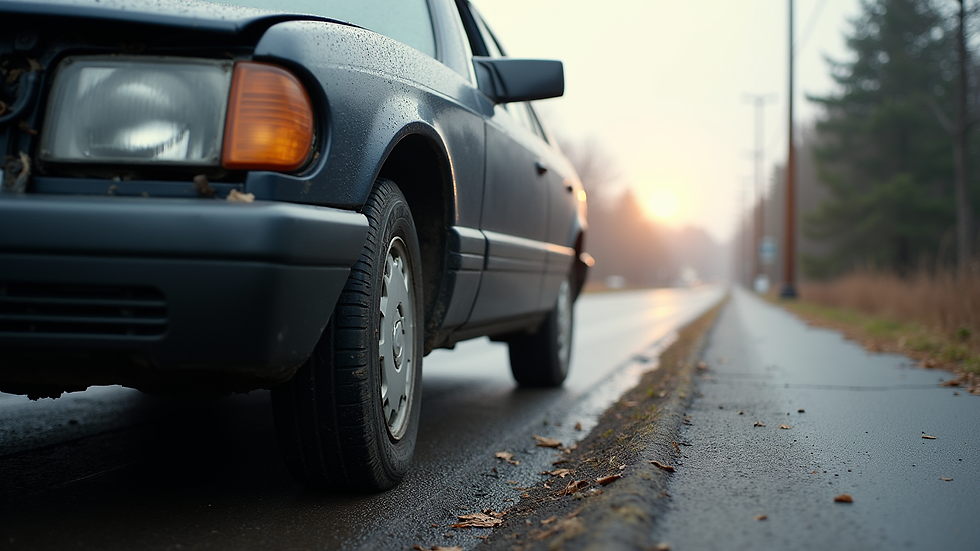
What is the First Thing You Do After a Car Accident?
The very first thing I do after a car accident is to check for injuries. This is the most important step because health and safety come first. Even if you feel fine, others might be hurt or in shock. If anyone is injured, call emergency services immediately.
Once I confirm everyone is safe or help is on the way, I focus on moving the vehicles to a safe spot if possible. This prevents further accidents and keeps traffic flowing. If moving the cars isn’t safe or possible, I turn on hazard lights and wait for the police.
Taking these initial steps calmly helps reduce panic and sets the stage for handling the rest of the situation effectively.
How to Document the Accident Scene Properly
Documentation is key when dealing with insurance and repairs. I always make sure to capture clear, detailed evidence of the accident. Here’s how I do it:
Use your phone or camera to take multiple photos from different angles.
Capture close-ups of all damages on your vehicle and the other vehicles involved.
Take wide shots showing the position of the cars relative to the road and any traffic signs or signals.
Photograph license plates and any visible skid marks or debris.
Write down the time, date, and location of the accident.
Note weather and road conditions.
This thorough documentation supports your insurance claim and helps the auto body shop understand the extent of repairs needed.

Communicating with Insurance and Repair Shops
After the accident, contacting your insurance company is essential. I recommend doing this as soon as you can. Provide them with all the information you gathered and the police report number if available. Be honest and clear but avoid speculating about fault.
When choosing an auto body shop, look for one that offers expert repairs and can assist with insurance claims. A trusted shop will guide you through the process, making it less stressful. They will assess the damage, provide an estimate, and work directly with your insurer to get your vehicle restored quickly.
Remember, you have the right to choose your repair shop. Don’t feel pressured to use a shop recommended by the insurance company if you prefer another.
Staying Calm and Prepared for the Next Steps
Dealing with a car accident is stressful, but staying calm helps you think clearly. Keep a folder or digital file with all accident-related documents, photos, and correspondence. This will be useful for follow-ups with your insurance and repair shop.
If you experience any pain or discomfort after the accident, see a doctor promptly. Some injuries may not be immediately obvious but can affect your health and your claim.
Finally, remember that recovery takes time. Your vehicle will be repaired, and your insurance claim will be processed. Taking the right post-accident steps ensures this happens as smoothly as possible.
For a detailed guide on what to do after car accident, visit the linked resource.
Moving Forward with Confidence
Accidents are unsettling, but knowing the essential post-accident steps can give you confidence. From ensuring safety to documenting the scene and working with your insurance and repair shop, each step matters.
If you find yourself in this situation, take a deep breath and follow these guidelines. Your vehicle will be restored, and you will navigate the aftermath with greater ease.
Remember, expert help is available to support you through repairs and claims. Trust the process and focus on your well-being and recovery.


Comments